Welcome to ChildFun…where Play and Learning go Hand in Hand
...where play and
learning go hand in hand!
Home » Articles » How to Choose the Right Dirt Bike Clothing for Kids
How to Choose the Right Dirt Bike Clothing for Kids
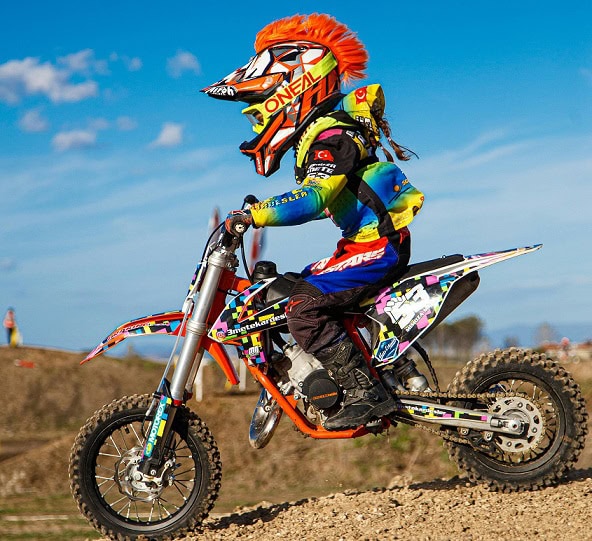
Dirt bike clothing should let a young rider move freely while giving their skin and body added coverage. A good outfit also needs to work with a helmet, goggles, boots, gloves, and any body protection the child wears. Parents should check fit, fabric, closures, and riding conditions before making a choice.
Regular clothing with motocross graphics may look suitable for the track, yet it is different from clothing made for riding. Protective equipment remains necessary during every ride, even when a child is practicing at low speed. The following points can help parents select clothing that fits well and works for their child’s riding needs.
1. Start With Clothing Made for Young Riders
Children need clothing that matches their body size and allows easy movement on the bike. A useful place to compare dirt bike clothes for kids is Strictly Wild, which offers custom motocross clothing and accessories for children and adults. Its collections include riding jerseys, pants, bamboo apparel, and matching family sets with motocross artwork.
Use the size chart for each product rather than relying only on the age printed on the label. Measure the child’s chest, waist, hips, inseam, and arm length before ordering. Strictly Wild also lists 30-day returns, which gives families another option when an item does not fit as expected.
2. Know the Difference Between Apparel and Protective Gear
A motocross shirt or hoodie may be suitable for watching races, traveling, or relaxing after practice. It should not replace a riding jersey, helmet, boots, gloves, goggles, or body protection. Parents should read each product description to learn whether an item is made for riding or casual wear.
The Motorcycle Safety Foundation advises dirt bike riders to wear a DOT-compliant helmet, goggles, long sleeves, long pants, gloves, and boots that cover the ankles. The American Motorcyclist Association also lists jerseys, pants, helmets, goggles, boots, chest protection, and knee protection among common motocross equipment.
3. Check the Jersey Fit With Body Protection
A riding jersey should have enough room for a chest protector or elbow protection without becoming loose around the arms. Ask the child to raise both arms, bend the elbows, and turn from side to side. The jersey should stay in place without pulling tightly across the shoulders.
Long sleeves cover more skin from sun, dust, brush, and light contact with the ground. Cuffs should sit near the wrists without covering the hands. Too much loose fabric can gather around gloves or controls, while a very tight jersey may limit movement.
4. Pick Pants That Allow Knee Movement
Dirt bike pants should bend easily at the hips and knees. Have the child sit in a riding position while wearing knee pads or braces. The waistband should remain secure, and the knees should not feel tight when the legs are bent.
Look for sturdy panels in areas that receive frequent rubbing, such as the knees, inner legs, and seat. Adjustable waist tabs can help when a child falls between sizes. The pant legs should also fit inside motocross boots without forming thick folds.
5. Avoid Buying Gear That Is Far Too Large
Children grow quickly, so buying extra room may seem practical. A small amount of growing space is reasonable, though oversized clothing can bunch around the knees, sleeves, waist, or boot openings. Loose fabric may distract a child or interfere with comfortable movement.
Check the fit again after adding knee pads, a chest protector, and base layers. The child should be able to walk, squat, sit, and reach forward without fighting the clothing. Replace an item when it becomes too short, too tight, or difficult to fasten.
6. Choose Full-Finger Gloves That Fit Closely
Gloves give the hands added coverage and may improve grip on the handlebars. Each fingertip should reach close to the end of the glove without leaving a large empty space. A glove that is too long can make small controls harder to feel.
Ask the child to grip the handlebars and use the brake and clutch levers while wearing the gloves. The fingers should bend without tight pulling across the knuckles. Wrist closures need to remain closed during movement without cutting into the skin.
7. Pair Clothing With Over-the-Ankle Boots
Regular sneakers do not provide the same ankle coverage or structure as motocross boots. Riding boots should cover the ankle and have sturdy soles with working buckles or closures. The Motorcycle Safety Foundation includes over-the-ankle boots in its basic dirt bike clothing guidance.
Let the child walk and sit on the bike before using new boots during a long practice. Young riders may need time to become familiar with the stiffer feel. Pants should tuck into the boots without thick fabric pressing against the legs.
8. Check Helmet and Goggle Compatibility
Goggles need to sit securely inside the helmet opening without pressing painfully against the nose or cheeks. The strap should stay around the helmet when the child turns their head. A clear view in front and to both sides is important.
Inspect the lens for deep scratches, cracks, or cloudiness before each ride. Ventilation can reduce fogging, especially during warm or humid weather. Tinted lenses may work in bright daylight, while clear lenses are more suitable when light is limited.
9. Match the Clothing to the Weather
Warm riding days call for lightweight jerseys and pants with airflow panels. Long sleeves and full-length pants are still needed, even when temperatures rise. Pack a clean shirt and dry socks so the child can change after a muddy or sweaty ride.
Cool conditions may require a thin base layer beneath the jersey. Thick jackets can restrict arm movement or interfere with body protection, so test every layer before riding. Wet clothing should be changed soon after practice to keep the child warm.
10. Examine Seams, Closures, and Fabric
Run a hand along the inside seams to find rough edges that could rub against the skin. Check zippers, waist tabs, buckles, cuffs, and hook-and-loop closures. Each part should remain secure while the child moves.
Fabric should feel sturdy without being unusually heavy. Stretch panels around the knees, hips, and shoulders can give the rider more freedom. Printed artwork should not be the only deciding factor, since fit and riding function matter more than appearance.
11. Let the Child Test the Full Outfit
Trying on one item at a time may hide fit problems that appear when the full outfit is worn. Have the child put on the jersey, pants, gloves, boots, helmet, goggles, and body protection together. Then ask them to sit on the bike with the engine off.
Watch for sleeves that pull upward, pants that pinch behind the knees, or gear that shifts out of place. Ask the child where they feel pressure, rubbing, or limited movement. Young riders may notice discomfort that is not visible from the outside.
12. Inspect Clothing After Every Ride
Mud, sand, sweat, and repeated washing can wear down riding clothing. Look for torn seams, damaged fasteners, thin fabric, and holes near the knees or inner legs. Small problems are easier to address before they become larger.
Follow the care directions printed on the label. Close zippers and fasteners before washing so they do not catch on other items. Allow the clothing to dry fully before storing it in a gear bag.
Final Thoughts
Good dirt bike clothing should fit the child’s current size, work with protective equipment, and allow natural movement. Graphics and colors can make the outfit more fun, though safety and fit should guide the final choice.
Parents should inspect the full riding outfit regularly as children grow and their riding habits change. A careful fitting session before practice can prevent rubbing, loose fabric, and other avoidable problems at the track.